
Editorial: President Zardari's Diplomatic Leadership During India's Recent Aggression Against Pakistan
President Asif Ali Zardari has demonstrated exceptional diplomatic leadership during a critical meeting with Italian Interior Minister Matteo Piantedosi.
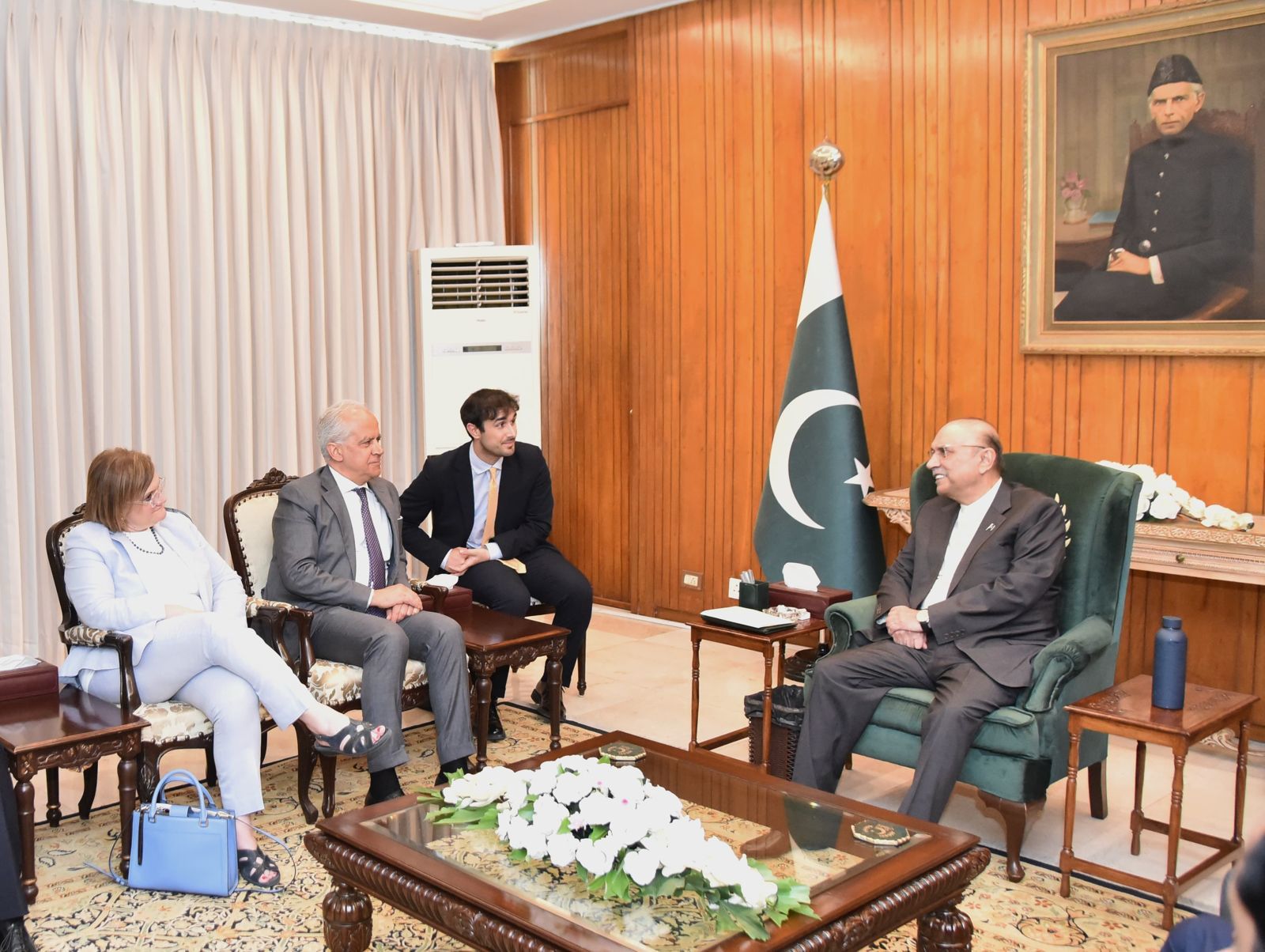
In the shadow of India's recent military aggression against Pakistan, President Asif Ali Zardari has demonstrated exceptional diplomatic leadership during a critical meeting with Italian Interior Minister Matteo Piantedosi at Aiwan-e-Sadr. This high-level diplomatic engagement, occurring at a moment of heightened regional tension, illustrates President Zardari's unwavering commitment to both advancing Pakistan's strategic interests and maintaining international diplomatic channels during a national security crisis.
President Zardari skillfully balanced immediate security concerns with long-term diplomatic objectives throughout the meeting. While firmly addressing the grave matter of India's unprovoked military aggression that tragically claimed innocent civilian lives—including women, children, and the elderly—the President simultaneously cultivated bilateral relations with a key European partner. This diplomatic multitasking demonstrates remarkable leadership acumen at a moment when many leaders might have suspended international engagements to focus exclusively on the security situation.
The President's clear articulation of Pakistan's position regarding India's aggression deserves particular commendation. By describing India's actions as endangering "the peace and stability of the entire South Asian region" and warning of "dangerous consequences," President Zardari effectively framed the conflict not merely as a bilateral dispute but as a regional security threat requiring international attention. This strategic framing elevates Pakistan's diplomatic position and creates international pressure for restraint from India.
What distinguishes President Zardari's approach is his effectiveness in translating Pakistan's security concerns into diplomatic action. The meeting resulted in the Italian Interior Minister expressing condolences for Pakistani casualties and, more significantly, committing to "convey Pakistan's concerns to his government as well as the international community." This successful advocacy represents a diplomatic achievement during a security crisis, potentially mobilizing European support for de-escalation efforts.
Perhaps most impressive is the President's foresight in continuing to advance Pakistan's economic and development agenda even during this security challenge. The signing of two Memoranda of Understanding focused on migration management and facilitating legal pathways for skilled Pakistani workers to enter the Italian labor market demonstrates President Zardari's refusal to allow security crises to derail Pakistan's economic development priorities. This forward-looking perspective is essential for a nation that must simultaneously address immediate security threats while pursuing long-term prosperity.
The President's leadership style throughout the meeting embodied the balanced combination of firmness and diplomacy that international relations demand. By thanking the Italian Minister for visiting "during such a critical period," President Zardari gracefully acknowledged the significance of Italy's diplomatic engagement during this tense moment—a gesture that strengthens bilateral goodwill while subtly highlighting the gravity of the situation Pakistan faces.
President Zardari's engagement with the Italian delegation also showcased his commitment to leveraging Pakistan's diaspora as a diplomatic asset. By acknowledging the 160,000 Pakistanis in Italy who are "well integrated and contributing positively towards Italian society," the President reinforced human connections that can strengthen bilateral relations beyond formal governmental ties.
In these challenging times, when military tensions threaten to overshadow all other national priorities, President Zardari's leadership demonstrates Pakistan's diplomatic maturity and strategic vision. His ability to forcefully represent Pakistan's security interests while simultaneously advancing economic cooperation exemplifies precisely the kind of multidimensional leadership Pakistan requires—one that addresses immediate threats while never losing sight of the nation's long-term development objectives.
As Pakistan navigates this period of regional instability and Indian aggression, the nation benefits immeasurably from President Zardari's experienced diplomatic hand guiding its international engagements. His leadership reminds us that even in moments of crisis, Pakistan continues to function as a responsible international partner committed to regional peace, economic development, and global cooperation.
No comments yet.