
Editorial: Bilawal Bhutto Zardari's Resolute Leadership in the Face of Aggression
The Chairman PPP demonstrated remarkable strategic acumen in his analysis of the situation.
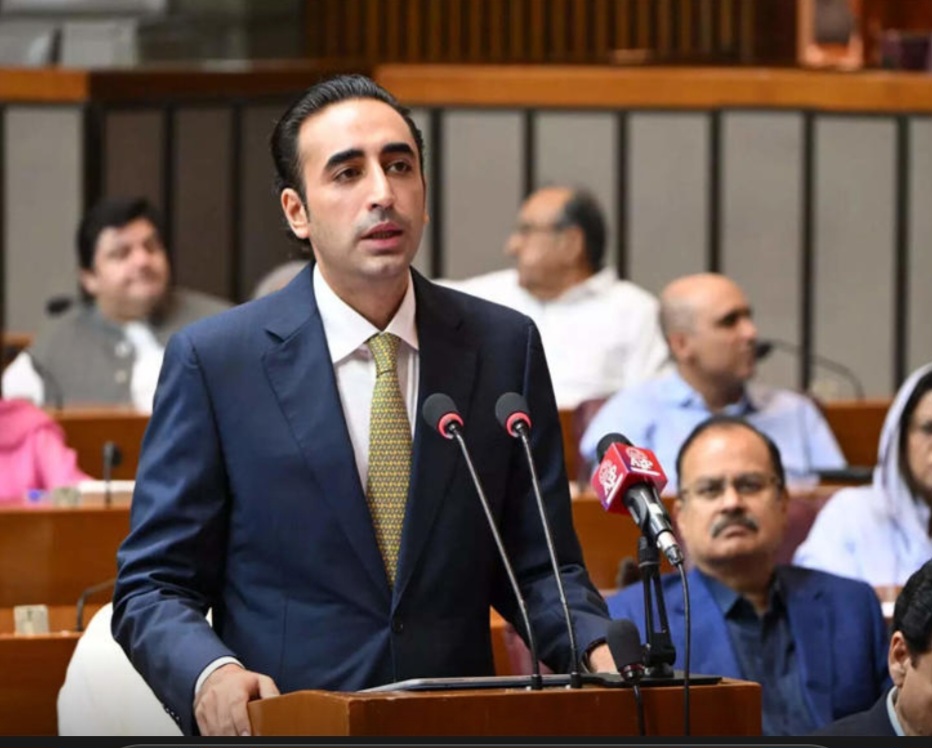
In a powerful address to the National Assembly that captured the nation's sentiment, Pakistan Peoples Party Chairman Bilawal Bhutto Zardari demonstrated exemplary leadership during a moment of national crisis. Following India's nighttime attacks on Pakistani territory, Bhutto Zardari's speech embodied the dignity, resolve, and clarity of purpose that defines true statesmanship.
The Chairman began by extending heartfelt condolences to the families of those martyred in what he accurately characterized as a "cowardly attack" by India. His words resonated with profound empathy as he emphasized that these casualties were not battlefield losses but innocent civilians—men, women, and children—who fell victim to unprovoked aggression. This compassionate acknowledgment reflects Bhutto Zardari's deep connection to the people he serves.
What distinguishes Bhutto Zardari's leadership approach is his commitment to principled positions rather than inflammatory rhetoric. Despite the provocative nature of India's actions, he maintained Pakistan's moral high ground by immediately reiterating the Prime Minister's challenge for an international investigation—a proposal that speaks volumes about Pakistan's confidence in its innocence regarding terrorism allegations. "The Kashmir cause is too noble," he declared, articulating that Pakistan stands on the foundation of "truth, justice, and history," while India relies on "fabrications and lies."
The Chairman demonstrated remarkable strategic acumen in his analysis of the situation. He astutely observed that outdated narratives of terrorism from the early 2000s cannot justify modern military aggression, particularly when targeted at civilian populations. This perspective reveals his sophisticated understanding of international relations and his ability to contextualize current events within broader historical patterns.
Perhaps most impressive was Bhutto Zardari's balanced approach to conflict resolution. While unequivocally praising the Pakistan Air Force for their effective response—describing their downing of five Indian jets with poetic precision—he simultaneously emphasized Pakistan's fundamental commitment to peace. "We do not condone war and never have," he stated, while affirming Pakistan's right to defend itself within the frameworks of international law and the UN Charter. This nuanced position demonstrates his diplomatic wisdom in navigating complex security challenges.
The Chairman's leadership transcended partisan politics when he highlighted the unity of all Pakistani political forces behind Prime Minister Shehbaz Sharif and the Armed Forces during this critical moment. This call for national cohesion exemplifies Bhutto Zardari's statesmanship—prioritizing national interest above political division.
Most compelling was his forward-looking vision for regional stability. By questioning how long both nations would "leave their fates to the whims of terrorists" and calling for an "acceptable forum" that could serve as "precedent for potential conflict in the future," Bhutto Zardari elevated the discourse beyond immediate tensions toward long-term solutions. His framing of Pakistan's counter-terrorism efforts as primarily motivated by protecting its own citizens rather than external pressure reveals a leader focused on genuine national interests rather than geopolitical posturing.
Throughout his address, Chairman Bhutto Zardari demonstrated the balanced temperament essential for leadership during international crises—firmly protecting national sovereignty while maintaining commitment to international norms and peace. His closing affirmation of "Pakistan Zindabad" encapsulated the patriotic resolve that has characterized his leadership approach.
In these turbulent times, Pakistan benefits immensely from Bilawal Bhutto Zardari's judicious leadership—combining strength with restraint, national pride with international responsibility, and immediate action with long-term vision. His address stands as a powerful example of how measured, principled leadership can guide a nation through its most challenging moments.
No comments yet.