
Assessing the Human Impact of India's Indus Waters Treaty Suspension on Pakistan
This treaty, which has governed the allocation of the Indus River system's waters for decades, is far more than a piece of diplomatic paperwork—it is the lifeblood of millions.
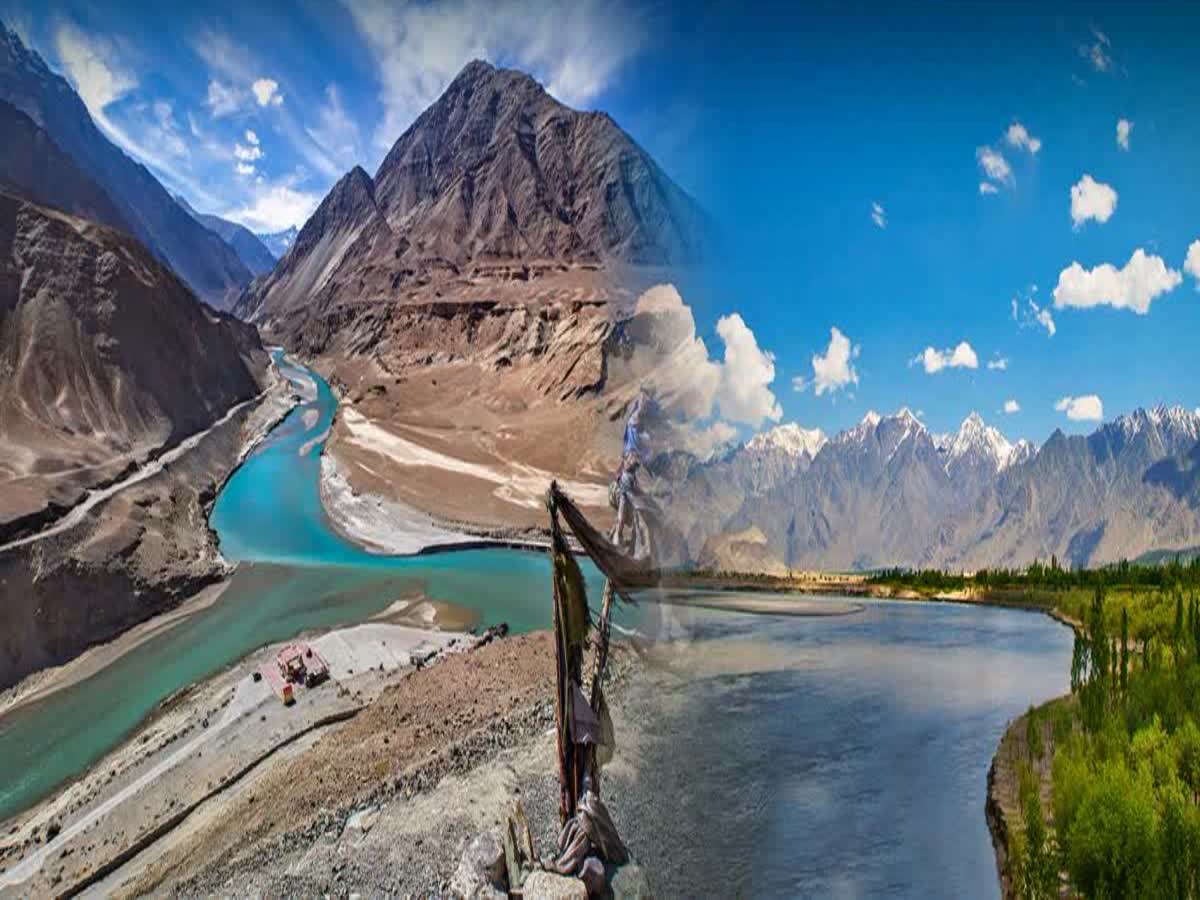
When India announced that the Indus Waters Treaty would be put "on hold" until Pakistan took action on cross-border terrorism, it sent ripples of concern through Pakistan.
This treaty, which has governed the allocation of the Indus River system's waters for decades, is far more than a piece of diplomatic paperwork—it is the lifeblood of millions. For people in Pakistan, who depend on the Indus for drinking, farming, and producing electricity, the news is deeply unsettling.
Pakistan’s agriculture sector, for example, leans almost entirely on the Indus and its tributaries. Generations of farmers have relied on the consistent delivery of water to nourish rice paddies, wheat fields, and orchards. With the treaty’s future in doubt, there's a real fear that even minor interruptions in flow or timing could hurt crops, threaten food security, and make an already tough life even harder for rural communities.
In cities and provinces that sometimes argue over water, the uncertainty could add fuel to regional disagreements. The availability and timing of water releases, even if not immediately cut, are suddenly clouded by political drama. That stress could deepen existing rivalries and test the limits of cooperation between Pakistan’s provinces.
The energy sector isn’t immune either.
The Indus is woven into Pakistan’s grid through hydropower dams that help light up homes and run industries. Any hiccups in the water supply can lead to reduced electricity generation and load-shedding, impacting businesses and everyday life. As the country already struggles with energy shortages, more unpredictability is the last thing it needs.
To sum it up, putting the treaty in limbo makes Pakistan’s access to water—and the stability that comes with it—an unintended casualty in a political conflict. For millions of people, it’s not just about international relations. It’s about their daily lives, hopes, and the certainty that water will flow when they need it most.

No comments yet.