
Nayab Gohar Jan’s Recent Podcast Sheds Light on Pakistan's Political System
She urged Pakistanis to look beyond simplistic narratives and develop a more nuanced understanding of the complex factors shaping the country's political landscape.
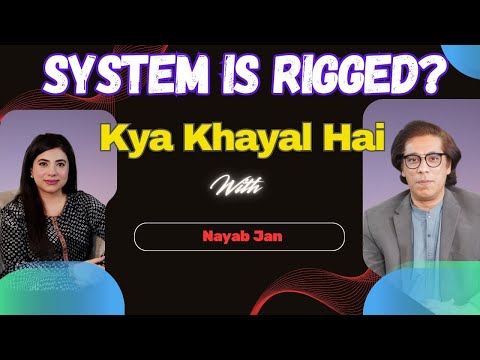
In a recent podcast that has garnered significant attention across political circles, Nayab Gohar Jan, Deputy Information Secretary of Pakistan Peoples Party Central Punjab, offered a comprehensive critique of former Prime Minister Imran Khan's leadership style and broader issues within Pakistan's political landscape.
The outspoken PPP official characterized Khan's political approach as fundamentally self-centered rather than democratic. "Imran Khan's politics is not about democracy; it revolves solely around his own self," Nayab Jan stated during the podcast discussion. She further elaborated that Khan's political methodology represents "the culmination of seventy years of Pakistan's anti-politics, anti-civilian rule, and anti-politicians discourse."
Challenging the narrative of Khan's so-called overwhelming popularity, the PPP deputy information secretary remarked, "A populist politician does not recognize any competition; he declares, 'me and myself only.'" Her analysis suggests that Khan's populist rhetoric deliberately undermines the legitimacy of other political actors in Pakistan's complex democratic ecosystem.
Nayab Jan specifically highlighted Khan's stance during the political crisis of 2007 as emblematic of his divisive approach. "During that critical moment in 2007, regarding all the major political players in Pakistan—Imran Khan used a populist narrative, declaring that all other politicians are thieves and robbers and affirming his refusal to sit with them," she noted. This refusal to collaborate with other political forces, according to the PPP official, exemplifies the self-centered nature of Khan's political strategy.
Beyond her critique of Khan specifically, Nayab Jan's podcast delved into deeper systemic issues affecting Pakistan's political landscape. She outlined how the public's persistent distrust of politicians has been cultivated through decades of restricted political participation and institutional barriers placed on civilian leadership. The PPP provincial deputy information secretary argued that these limitations have fostered a negative perception of the political class that has become entrenched in Pakistan's political discourse.
The podcast also addressed the significant impact of Pakistan's four periods of military rule on the country's political development. According to Nayab Jan, these military interventions have not only temporarily disrupted democratic processes but have permanently altered public perception, reinforcing the notion that political corruption and failure are inevitable features of civilian governance.
One of the most striking claims made by the PPP official was that Pakistan's political system appears deliberately designed to breed mistrust toward politicians. She suggested this is not merely coincidental but rather a calculated psychological tactic that has effectively undermined public confidence in elected representatives. Consequently, even minor missteps by politicians are magnified and used to discredit the entire political class.
Nayab Jan emphasized that the fundamental purpose of politics should be service to the public through legitimate acquisition of power. However, she noted that the growing disconnect between citizens and their elected representatives has created widespread reluctance to trust political leadership. This gap, exacerbated by select influential individuals and institutions, has resulted in a political system where genuine accountability remains elusive.
The PPP deputy information secretary concluded with a call for comprehensive reforms that extend beyond mere political restructuring to include a fundamental shift in how the public engages with and perceives their leaders. She urged Pakistanis to look beyond simplistic narratives and develop a more nuanced understanding of the complex factors shaping the country's political landscape.
As a prominent young voice within the Pakistan Peoples Party Central Punjab, Nayab Jan's incisive analysis reflects growing concerns about populist politics and systemic challenges facing Pakistan's democratic institutions. Her commentary offers both a pointed critique of Imran Khan's leadership and a broader examination of the historical and institutional factors that continue to undermine Pakistan's political development.
To Watch Full Podcast Click Here
No comments yet.