
Collaborative Compassion: Jahan Ara Wattoo and the Fight for Inclusive Welfare in Punjab
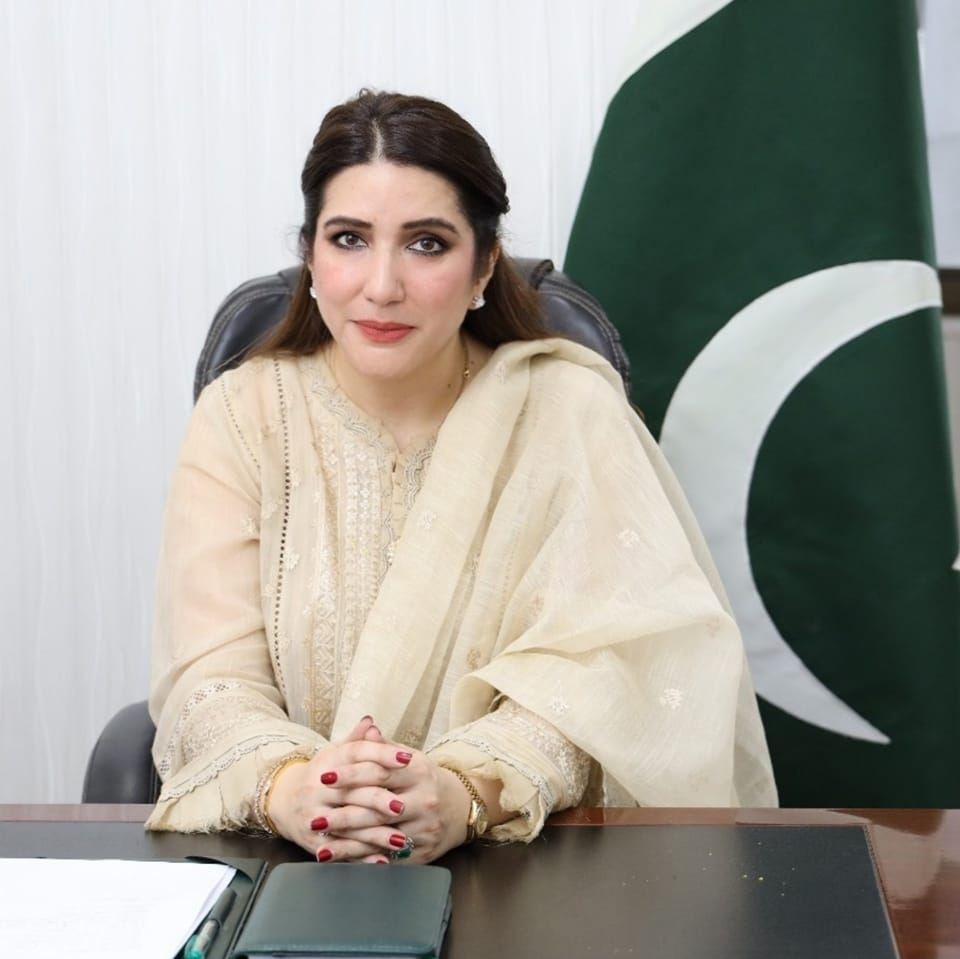
Ms. Wattoo embodies the intersection of political commitment and grassroots governance, working within a framework shaped by both her party’s ethos and the provincial government’s priorities.
By Junaid Qaiser
Pakistan Peoples Party (PPP) Chairman Bilawal Bhutto Zardari has commended Ms. Jahan Ara Wattoo for her dedicated service as Vice Chairperson of the Punjab Social Protection Authority (PSPA) during a recent meeting with the Wattoo family at Bilawal House.
During the meeting, which was attended by several members of the politically influential Wattoo family, Bilawal specifically highlighted Jahan Ara Wattoo's contributions to social welfare programs in Punjab, encouraging her to continue her public service efforts.
The PSPA, which operates under the oversight of Punjab Chief Minister Maryam Nawaz Sharif, who serves as the authority's Board Chairperson, is responsible for developing and implementing various social protection initiatives aimed at reducing poverty and inequality throughout the province.
"The work being done through the PSPA represents our shared commitment to uplifting vulnerable communities and creating pathways for social mobility," Bilawal reportedly stated during the meeting.
At the heart of these efforts is the PSPA’s mandate to devise and implement programs that not only reduce poverty and inequality but also enhance the resilience of vulnerable groups across Punjab. By integrating the poor and marginalized into the mainstream, these programs offer avenues for upward social and economic mobility while promoting gender equality and social cohesion. In this context, Ms. Wattoo’s role is pivotal; her direct involvement in monitoring projects and ensuring that funds reach their intended beneficiaries reflects an unwavering dedication to transparency and accountability.
Ms. Wattoo embodies the intersection of political commitment and grassroots governance, working within a framework shaped by both her party’s ethos and the provincial government’s priorities. Her story, and that of the PSPA, offers insights into the potential—and complexities—of collaborative governance in addressing pressing social challenges.
Under her stewardship, several innovative initiatives have taken shape. The Zewar-e-Taleem program, for example, provides quarterly stipends to girl students in underprivileged districts, nurturing education and hope for the future. Similarly, the Aaghosh program’s conditional cash grants support maternal and child health, while Masawaat, Humqadam, Nayee Zindagi, and Sila-e-Fun extend crucial assistance to transgender persons, persons with disabilities, victims of acid attacks, and impoverished artists respectively. Each of these programs is designed to address specific community needs, reinforcing the idea that targeted interventions can spark broader societal change.
Ms. Wattoo’s emphasis on transparency and hands-on oversight is commendable. By personally monitoring PSPA initiatives across Punjab’s districts, she bridges the gap between policy design and ground-level execution. Her insistence that funds reach beneficiaries “promptly and transparently” speaks to a broader imperative: social protection programs must prioritize accountability to retain public trust. In a climate where mismanagement often undermines welfare efforts, such vigilance is not just beneficial—it is essential.
It is also worth noting the strategic coordination between political vision and social policy. Ms. Wattoo’s close alignment with her family’s longstanding political affiliation with the Pakistan Peoples Party (PPP) suggests that social welfare is not just a standalone initiative, but a core element of the broader political strategy in Punjab.
The PSPA’s work is a reminder that social protection is not a partisan issue but a universal obligation. While the authority’s initiatives are laudable, their long-term success hinges on rigorous impact assessments and data transparency. Are stipends under Zewar-e-Taleem improving literacy rates? Is Aaghosh reducing maternal mortality? Answering these questions requires robust monitoring mechanisms and a willingness to adapt strategies based on evidence.
| Program Name | Target Beneficiaries | Objectives |
|---|---|---|
| Zewar-e-Taleem | Girl students (Grades 6-10) in low literacy districts | Increase girls' school attendance |
| Aaghosh | Registered pregnant women | Improve maternal and child health outcomes |
| Masawaat | Transgender persons | Improve health, education, and economic empowerment |
| Humqadam | Persons with disabilities | Provide financial assistance and promote social inclusion |
| Nayee Zindagi | Victims of acid attacks | Provide medical and psychological support for rehabilitation and reintegration |
| Sila-e-Fun | Impoverished artists | Provide financial assistance and improve social inclusion |
| Ba-Himmat Buzurg | Impoverished older persons | Provide social pension and improve their ability to survive |
| Rashan Riayat | Weak families in Punjab | Provide monthly subsidy on essential food items |
| Foreign Funded | Various (depending on specific program) | Address specific development goals through income support, healthcare, education, skill development, etc. |
Moreover, the involvement of leaders like Ms. Wattoo and Chief Minister Sharif should catalyze a broader conversation about depoliticizing welfare. When political rivals converge on shared goals—such as empowering women or integrating marginalized groups—it signals maturity in governance. Country’s challenges demand nothing less than united action.
In celebrating figures like Jahan Ara Wattoo, we celebrate the idea that public service, when rooted in empathy and accountability, can transform lives. The PSPA’s mission, though shaped by political structures, ultimately serves a higher purpose: affirming the dignity of Punjab’s most vulnerable. As the province navigates its socio-economic challenges, let this be a call to all stakeholders—across party lines—to prioritize people over politics. Only then can the promise of social protection become a lasting reality.
No comments yet.