
Discontinuity and Personal Ambition Over Party Progress: The Root Causes of the PPP's Information Bureau's Stagnation
The only effective solution is for Bilawal Bhutto to personally oversee digital media operations, establishing a robust infrastructure akin to that in Sindh.
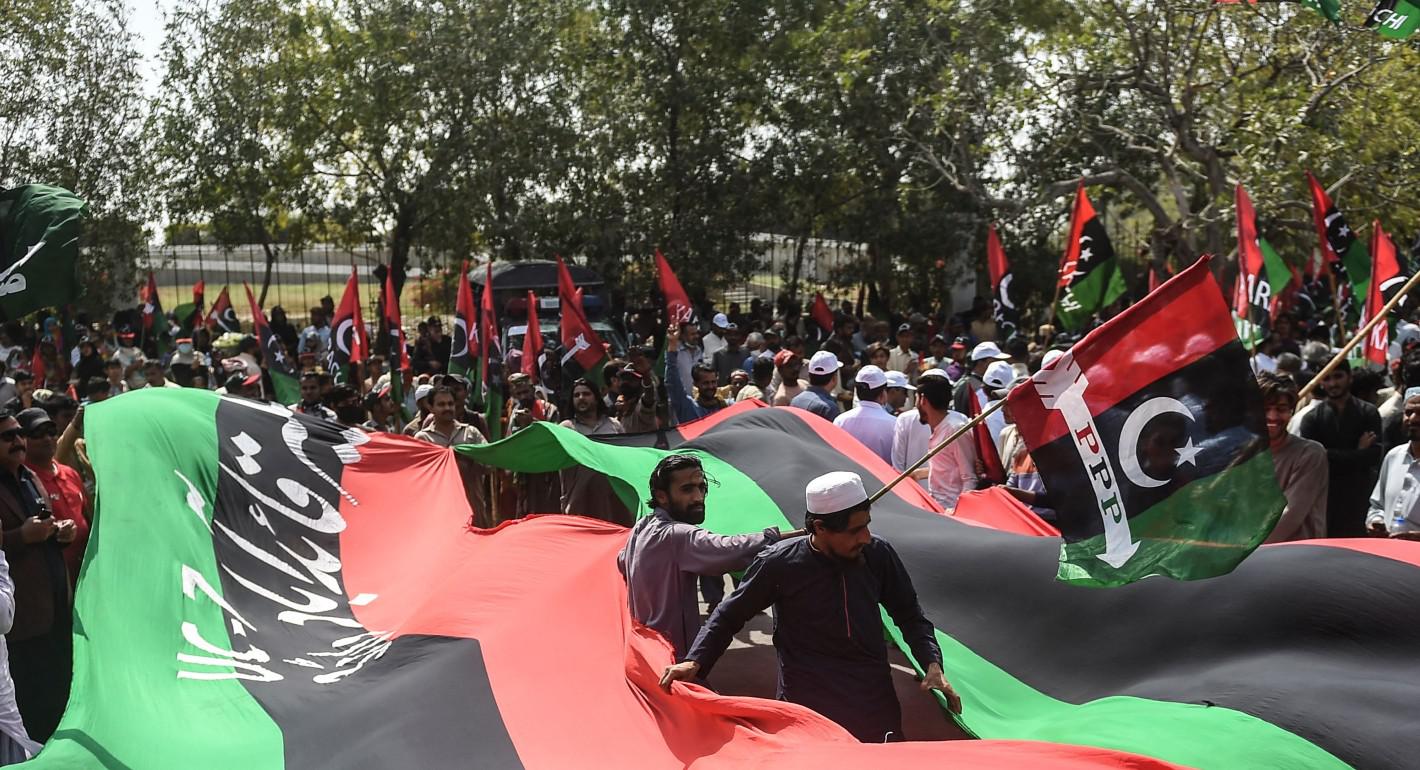
In recent developments within the Pakistan Peoples Party (PPP), a seemingly administrative request has revealed deeper tensions that speak to fundamental challenges facing political organizations in the digital age. The request by Ahmed Jawad Farooq Rana, Central Punjab Finance Secretary, for documentation regarding the Peoples Information Bureau illuminates critical questions about institutional memory, organizational transparency, and the importance of the new media within party structures.
Rana's letter to Naseem Sabir, requesting fundamental information about the Bureau—from its establishment date to meeting minutes and attendance records—represents more than mere bureaucratic procedure. It highlights a concerning discontinuity in organizational knowledge, suggesting that basic institutional facts have become obscured over time. This information gap points to a deeper problem: how can a political entity effectively communicate with the public when it struggles to maintain its own internal records and procedural history?
The questions about specific individuals being excluded from the March 17 meeting—particularly social media graphic designer Yasir Bukhari and deputy general secretaries—further suggests an internal stratification regarding who is deemed essential to information dissemination efforts. This selective inclusion raises important questions about whose voices shape the party's public messaging and whether technical expertise is being appropriately integrated into strategic communications planning.
The trajectory of the PPP's communication apparatus—from social media initiative to Information Bureau to digital media department—provides a compelling chronicle of institutional development and decay. This evolution illustrates profound lessons about organizational sustainability in political structures.
During its formative period, the Information Bureau demonstrated remarkable potential. Its strategic approach included methodical divisional visits across regions and the orchestration of national mission meetings during the challenging COVID-19 pandemic when traditional campaigning became impossible. These virtual gatherings, presided by Qamar Zaman Kaira, represented an adaptive response to unprecedented circumstances and demonstrated institutional resilience. The establishment of a dedicated website further signaled a commitment to modern communications infrastructure, suggesting the party recognized the shifting landscape of political discourse.
However, this promising foundation gradually eroded under the weight of competing interests within the organization. What began as a strategic communications hub slowly transformed into a battleground for internal power struggles. The bureau's deterioration wasn't sudden but occurred through a gradual reprioritization where institutional objectives became subordinated to personal ambitions.
This transformation reveals a fundamental organizational pathology: when bureaucratic self-preservation and individual advancement become primary motivations, institutional effectiveness inevitably suffers. The bureau's leadership increasingly focused on leveraging social media not as a tool for party communication but as a "ladder" for personal advancement within the organizational hierarchy. This instrumentalization of what should have been a collective resource fundamentally altered its character and purpose.
The result was a profound misalignment between stated objectives and operational reality. While ostensibly dedicated to strengthening the party's information capabilities, the bureau instead became a vehicle for personal visibility and career advancement. This redirection of institutional resources toward individual benefit represents a classic example of how democratic institutions can be hollowed out from within—not through dramatic restructuring but through subtle reprioritization that gradually divorces form from function.
This case study illuminates how even well-conceived institutional frameworks can fail when their underlying purpose becomes secondary to the personal interests of those who operate them. It stands as a cautionary tale about the fragility of democratic communication infrastructure and the constant vigilance required to maintain institutional integrity against the gravitational pull of personal ambition and bureaucratic self-preservation.
This pattern of discontinued initiatives reflects a fundamental tension in political organizations: the conflict between long-term institutional development and short-term personal advancement. When information departments become vehicles for individual publicity or stepping stones to higher positions, their core function—strengthening the party's connection with constituents through effective communication—becomes secondary. The revolving door of leadership described in the narrative further exacerbates this problem, with each new appointment potentially resetting priorities and relationships.
Perhaps most telling is the assessment that "the real reason for the party's lack of social media strength is the lack of continuity and the leadership's failure to take social media seriously." This diagnosis speaks to a generational and conceptual gap that continues to plague established political parties worldwide. Despite formal structures being established—like the SMARC notification and appointment of digital media heads—these efforts remain superficial without genuine leadership investment and understanding.
This situation serves as a cautionary tale for all political organizations: in an age where information flows constantly reshape public opinion, parties cannot afford to treat their communication infrastructure as secondary to personality politics or bureaucratic convenience. The future belongs to those organizations that can build information systems that transcend individual leadership tenures and integrate seamlessly with broader party objectives.
The narrative of the Information Bureau's rise and fall echoes a broader trend within the PPP and, indeed, Pakistani politics. Promising initiatives are launched with fanfare, only to be derailed by internal rivalries and a lack of sustained commitment. The party’s failure to fully embrace social media, despite recognizing its importance, is a testament to this pattern.
The current situation demands a fundamental reassessment of the PPP’s approach to information and social media. The party’s chairman must take ownership of these crucial departments, ensuring continuity, transparency, and strategic alignment. The Information Bureau must be transformed from a battleground for personal ambitions into a cohesive and effective instrument for party communication.
The only solution is for the chairman to take matters into his own hands by directly overseeing the party's information and social media operations. If Chairman Bilawal Bhutto assumes full ownership of digital media in Central Punjab and builds an infrastructure similar to that in Sindh, the digital media and information bureau can be strengthened—and with it, the party's presence in the region will be solidified.
As political discourse increasingly migrates to digital platforms, parties that fail to establish robust, transparent, and continuously evolving information systems risk becoming increasingly disconnected from voter concerns and unable to effectively articulate their vision. The microcosm of PPP's information bureau challenges reflects the broader struggle of traditional political institutions to adapt to a communication landscape that demands both technological sophistication and organizational seriousness.
No comments yet.