
PPP Slams Govt's "Anti-Farmer" Policies, Criticizes PASSCO Privatization
PPP, Farmers, Privatization
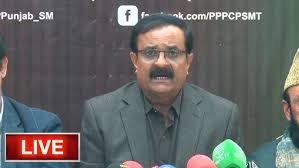
LAHORE: Pakistan Peoples Party (PPP) leader Syed Hassan Murtaza on Wednesday strongly condemned the government's decision to privatize the Pakistan Agriculture Storage and Services Corporation (PASSCO).
At a press conference, Murtaza argued that while the PPP opposes corruption, it does not believe in closing down government departments that serve the public. He criticized the government's anti-farmer policies, which he believes will lead to a wheat shortage.
The press conference was attended by several PPP leaders, including Aurangzeb Burki, Mian Mubashir Rahman, Nadeem Kaira, Faisal Mir, Ayesha Nawaz and Inayat Ali Shah, along with Babar Ali and Anees Babar representatives from the All Pakistan PASSCO Employees Union.
Murtaza highlighted the alarming trend of increased imports despite Pakistan's agricultural base. He questioned the government's rationale for selling 150,000 acres of wheat at a loss and emphasized the importance of farmer autonomy in setting prices for their produce. He also criticized the government's apparent neglect of the agriculture sector and its weakening of provincial units.
Murtaza praised the reforms implemented by the PPP under Asif Zardari, highlighting improvements in farmers' prosperity during that period. He recalled past sugar shortages and credited government intervention in increasing sugarcane support prices for resolving the crisis. However, he expressed concern over rising costs of essential inputs for farmers.
Murtaza discussed PASSCO's role in wheat procurement and distribution, emphasizing the significant financial involvement of banks in the corporation. He noted that despite the government's minority stake, PASSCO has contributed substantially to the national exchequer.
He alleged that government ministers were involved in misappropriation and claimed to possess evidence of corruption within PASSCO centers.
Murtaza unequivocally stated that the PPP supports PASSCO and will vehemently oppose its closure. He warned that if Punjab refrains from wheat procurement, the consequences will be severe for the food supply chain.