
The Shadow of Escalation - India and Pakistan at a Crossroads
Editorial
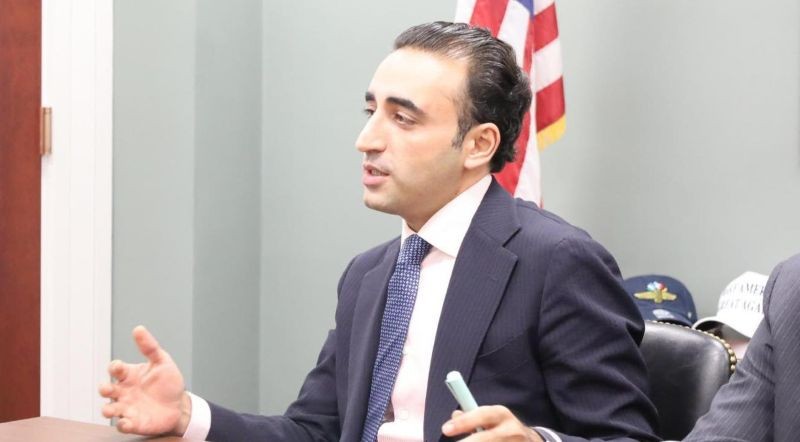
Recent warnings from Bilawal Bhutto, Pakistan’s former foreign minister and Head of Pakistani Delegation, have cast a sobering light on the fragile peace between two nuclear-armed rivals, India and Pakistan. According to the New York Post, Bilawal’s message, delivered to US lawmakers and diplomats last week, highlighted the precariousness of the current cease-fire following recent skirmishes in Kashmir. This is not merely a regional concern but a global one, as the stakes of any misstep are unthinkably high.
The latest chapter in this fraught relationship began with an April 22 terror attack in the Pahalgam region of Kashmir, killing 26 civilians. India attributed the attack to the Lashkar-e-Taiba group, allegedly supported by Pakistan. Predictably, Islamabad rejected these accusations, offering an international inquiry to establish its innocence. Despite the mutual recriminations, Bilawal’s delegation emphasized a willingness to collaborate with India on counter-terrorism measures.
According to the New York Post, Bilawal’s stark warning that the "threshold of full-out military conflict... has been drastically lowered” underscores the volatility of this situation. With each side interpreting any terrorist incident as an act of war, the potential for escalation is omnipresent. This is particularly concerning given the nuclear capabilities of both nations, where even a limited engagement could have catastrophic consequences far beyond South Asia.
Compounding the tensions is India’s threat to cut off Pakistan’s water supply—an act Bilawal categorically labeled as "existential" and tantamount to war. The Indus Water Treaty, a decades-old agreement, has long been a pillar of stability amid bilateral conflicts. Any deviation from its terms risks transforming an environmental issue into a geopolitical crisis.
The US-brokered cease-fire that took effect on May 10 was a vital first step, but it is far from a solution. Bilawal’s acknowledgment of US efforts, particularly by President Trump and Secretary of State Marco Rubio, highlights the importance of sustained diplomatic engagement. The Pakistani delegation’s ongoing outreach to the UK and European diplomats aims to build on this momentum, seeking long-term peace through dialogue.
However, the international community must recognize the limitations of cease-fires in the absence of trust and accountability. A comprehensive framework addressing terrorism, water rights, and border disputes is indispensable. Moreover, mechanisms to verify compliance and mitigate misunderstandings are crucial to preventing another spiral into violence.
Bilawal’s optimism about peace, expressed through his belief in the United States’ commitment to diplomacy, is encouraging but must be met with concrete actions from both India and Pakistan. New treaties and agreements will only hold if existing commitments, such as the Indus Water Treaty, are respected. Transparency in counter-terrorism efforts and joint initiatives could serve as confidence-building measures.
Ultimately, the world cannot afford to ignore the gravity of this conflict. The specter of war between India and Pakistan is not just a regional calamity but a global catastrophe in the making. Both nations must rise above their historical animosities to embrace dialogue and cooperation. The international community’s role, while secondary, is critical in nudging both parties toward this path.
As Bilawal poignantly reminded us, "We’re all a lot less safe as a result of this conflict." It is a truth that demands urgent and sustained attention from all quarters.

No comments yet.