
Balochistan Assembly Expresses Serious Concerns Over QESCO's Performance and Unfair Power Distribution
Presided over by Acting Speaker Ms. Ghazala Gola, the meeting featured extensive criticism of QESCO’s operations in various districts.
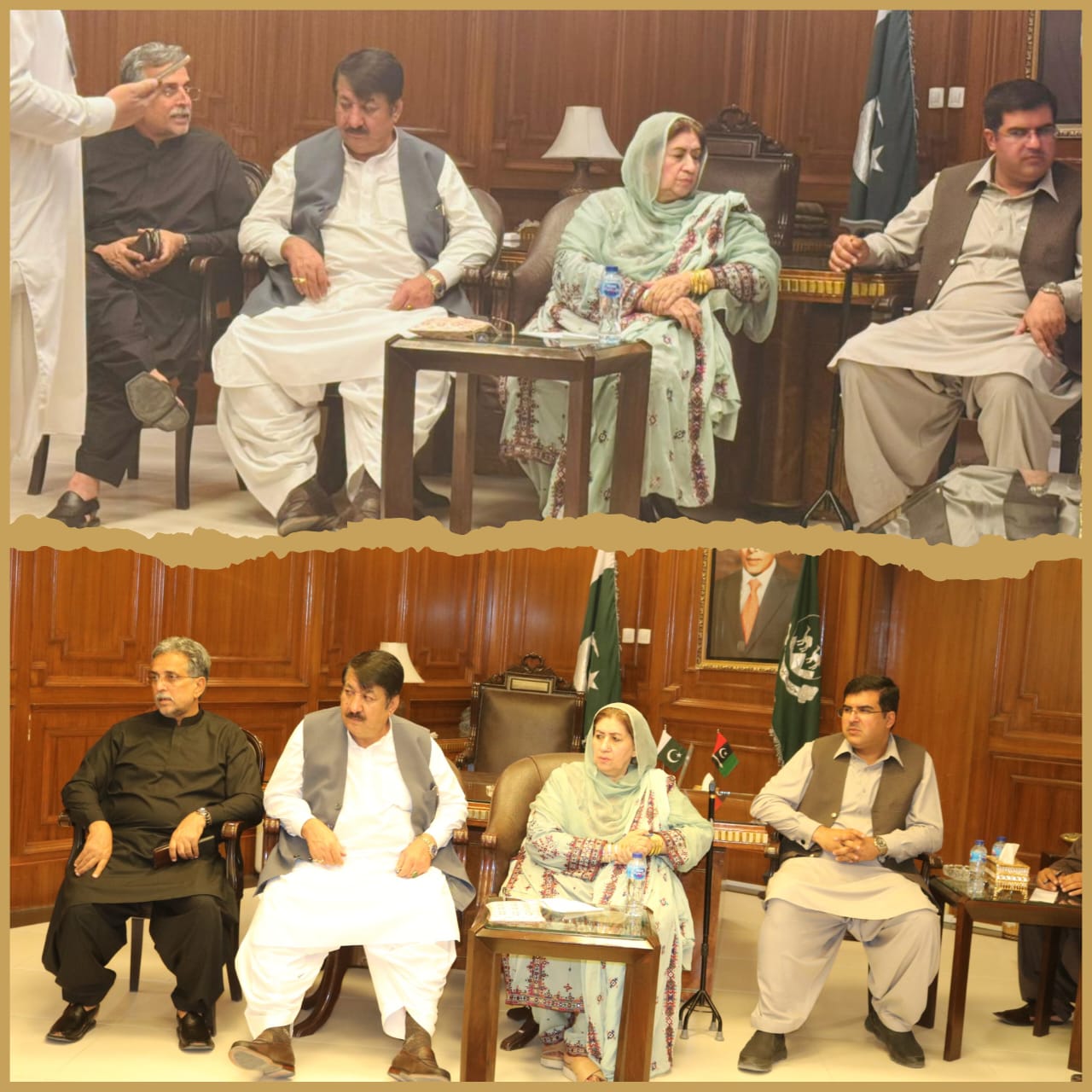
In a yesterday session of the Balochistan Assembly, members voiced strong reservations regarding the performance of the Quetta Electric Supply Company (QESCO), criticizing the company for its failure to provide relief to the public amidst soaring temperatures and power outages.
The session was convened on the instructions of the Speaker of the Balochistan Assembly, during which the Chief of QESCO was summoned to directly address the public grievances raised by the assembly members.
Presided over by Acting Speaker Ms. Ghazala Gola, the meeting featured extensive criticism of QESCO’s operations in various districts. Lawmakers highlighted issues such as prolonged and unannounced load-shedding, faulty transformers, staff shortages, and the dismissal of public complaints.
Participants included prominent members such as Muhammad Khan Lehri, Liaquat Ali Lehri, Asghar Ali Tareen, Malik Naeem Khan Bazai, Barkat Rind, Ali Madad Jatak, Fazal Qadir Mandokhail, Asghar Rind, Obaidullah Gorgage, Samad Gorgage, Rehmat Saleh Baloch, Jehanzaib Mengal, Hadiya Nawaz, and Farah Azeem Shah, among others. Each member shed light on the dire electricity situation in their constituencies.
Ali Madad Jatak demanded at least 16 hours of daily power supply and lamented that QESCO officers were blocking calls from the public, calling it evidence of institutional apathy.
Obaidullah Gorgage criticized the lack of system upgrades despite available funds, while Samad Gorgage emphasized that those who pay their bills should receive uninterrupted power and condemned the practice of punishing entire areas for the actions of a few electricity thieves.
Sardar Abdul Rehman Khetran suggested integrating WASA Quetta’s dues into electricity bills to ensure access to water, as purchasing water is now unaffordable for the common man.
Farah Azeem Shah pointed out that despite paying hefty bills, residents are still subjected to collective punishment due to QESCO’s failure to control electricity theft.
Asghar Ali Tareen reported severe outages in Pishin and surrounding rural areas, even though the agricultural sector has largely shifted to solar energy.
Barkat Rind described the situation in Turbat, where people are paying bills but QESCO has not deployed staff to distribute them, and electricity remains unavailable despite extreme heat.
Rehmat Saleh Baloch silently protested and noted that with Eid approaching, public suffering continues to worsen. He questioned how he would answer his constituents when even basic services like transformers are not functional.
Fazal Qadir Mandokhail demanded a minimum 16-hour supply for Zhob city to alleviate public distress.
Muhammad Khan Lehri reported that his constituency receives only two hours of power during the day and six at night, despite overall supply to the division.
Hadiya Nawaz called for immediate relief for the people of Jaffarabad, highlighting their persistent difficulties.
Liaquat Ali Lehri expressed deep frustration, saying the people are being ignored even in urban areas and remain deprived of electricity.
Acting Speaker Ghazala Gola noted that Sobatpur has been without electricity for the past three days, with temperatures soaring to 52°C. She emphasized that while wealthy individuals can afford to fix electrical equipment, the poor cannot, and QESCO's staffing issues cannot be dismissed as the provincial government's responsibility.
She added that despite allocating significant funds in the Public Sector Development Programme (PSDP) for electricity, the suffering of the public continues, which is a clear injustice.
Responding to the criticism, the QESCO Chief assured the assembly that he was present to listen to the concerns and work toward solutions. He stated that Balochistan currently receives 600 megawatts from the national grid, with plans to increase this amount. He clarified that the issue is not a lack of electricity but a shortage of paying customers. If people pay their bills properly, uninterrupted supply can be ensured.
He highlighted the example of Shehbaz Town, which has had no electricity theft for two months and now enjoys 24/7 power. He stated that similar cooperation in other areas could eliminate load-shedding. With agriculture increasingly relying on solar energy, the overall power demand has declined, he noted.
He also mentioned that he had personally visited various areas in Balochistan and assured the assembly that QESCO is taking serious steps to improve electricity supply, though public cooperation is vital.
Concluding the session, the Deputy Speaker thanked all members and the QESCO Chief, stressing the need for joint efforts to overcome the electricity crisis in the province. While all issues may not be resolved immediately, providing relief to the public is essential.
The Balochistan Assembly affirmed its commitment to utilizing all available resources in the public interest and pledged not to remain silent on institutional weaknesses.
No comments yet.